A photonic fingertip sensor could help detect stress, anxiety and depression, claims Aston study
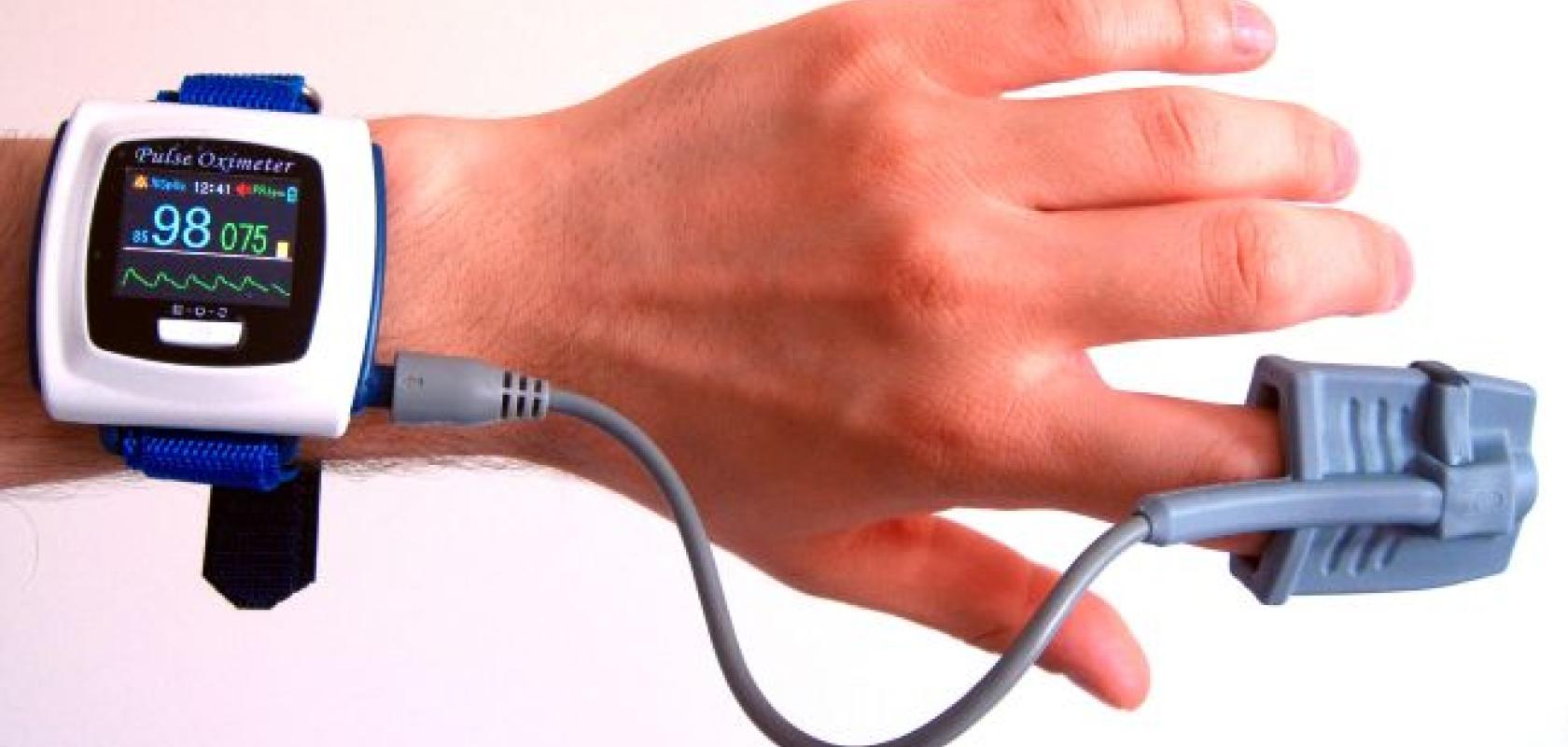
Existing fingertip pulse oximeters estimate blood oxygen saturation (SpO₂) and pulse rate, and are used to alert healthcare providers to monitor, manage or further investigate several respiratory and cardiovascular conditions (Image: Aston University)
The wearable photonics system detects blood-flow and tissue changes linked to reported stress symptoms

Register for FREE to keep reading
Join 15,000+ photonics professionals staying ahead with:
- Exclusive insights, funding alerts & market trends
- Curated newsletters and digital editions
- Access to The Photonics100 list of R&D champions
- Exclusive panels & roundtables for professional development
- Technical White Papers & product updates to guide smarter decisions
Sign up now
Already a member? Log in here
Your data is protected under our privacy policy.