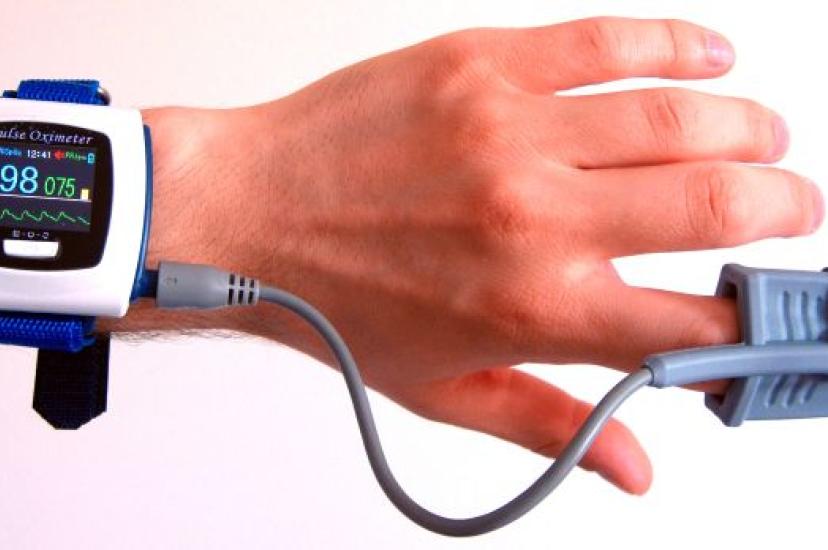
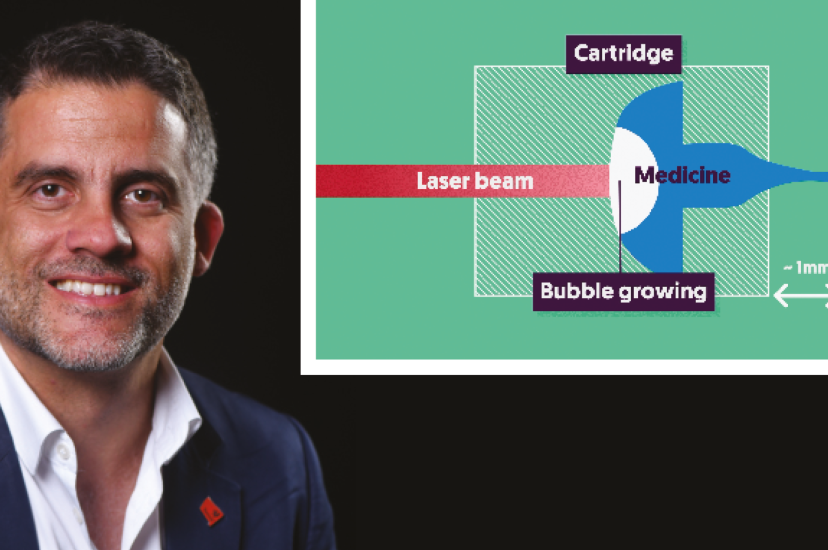
Medical engineering A photonic fingertip sensor could help detect stress, anxiety and depression, claims Aston study The wearable photonics system detects blood-flow and tissue changes linked to reported stress symptoms Latest Content A photonic fingertip sensor could help detect stress, anxiety and depression, claims Aston study The latest optical products for life sciences in 2026 Zeiss considers optics job cuts for departments under geopolitical strain New technologies Edmund Optics to distribute Chromacity's ultrafast lasers White papers How Oxxius MixxWave laser combiners power UCL's cancer research mesoSPIM for lightsheet brain imaging This White Paper examines how University College London's Cancer Institute has deployed an open-source mesoSPIM lightsheet microscope powered by Oxxius MixxWave laser combiners to advance brain cancer research Ensuring laser reliability in critical systems This White Paper is designed to provide system designers, product managers, and R&D engineers with the technical knowledge and practical strategies needed to optimise laser module reliability Revealing cellular mysteries with ultrafast lasers This White Paper introduces compact ultrafast laser systems capable of simultaneous two- and three-photon microscopy Webcasts On-demand webcast - The power of particle analysis: From pharma to factories More content Handheld Raman device diagnoses traumatic brain injury ‘on the scene’ Fluorescence assay device brings diagnosis to the point of care Laser-based needle-free injection cuts infection risk, optimises medicine doses Photoacoustic scanner likened to MRI overcomes ultrasound limitations Portable and safe ‘photoacoustic MRI’ could monitor cancer more efficiently Optical trapping single proteins in real time Industry outpacing GDP: Photonics Frontiers 2024 MicroLED display monitors brain activity in real time for more precise surgery Spectroscopic precision: Elevating tissue identification with advanced spectrometers Revolutionising diabetes care with non-invasive glucose monitoring AI utilised to improve retinal imaging results 3D-printed parts could make mass spectroscopy more accessible Pagination Previous page ‹ Previous Page 11 Next page Next ›