
Customer service plays a pivotal role in the customer experience just about anywhere you shop, from your local corner store all the way to the Fortune 500. Customers everywhere are looking for support in their purchasing journey. In fact, 69% of consumers still prefer to use phone support for certain issues, citing the need for a human touch on complex problems. As time marches on, customer service has become an overlooked function.
Now businesses can delegate customer service to automated platforms and AI agents to save time and increase the number of resolved cases. The math might look appealing on paper, since self-service costs roughly $1.84 per contact compared to $13.50 for agent-assisted support, but only 14% of those self-service interactions actually resolve the customer’s issue. Their intentions may be in the right place, but an important piece is missing: customers are more than a statistical highlight. They’re real people with real problems that should be handled with empathy and care, which is something only humans can provide.
Chroma Technology has always embodied this philosophy. Our customer service team has always put its customers first and made sure that a real person answers the phone or responds to an email. Since day one, we’ve made serving our customers a priority by empowering our team with the knowledge and autonomy to truly support them. While AI and automation continue to reshape the customer service industry, we believe that our customers’ questions are best answered by real people.
Where it all began
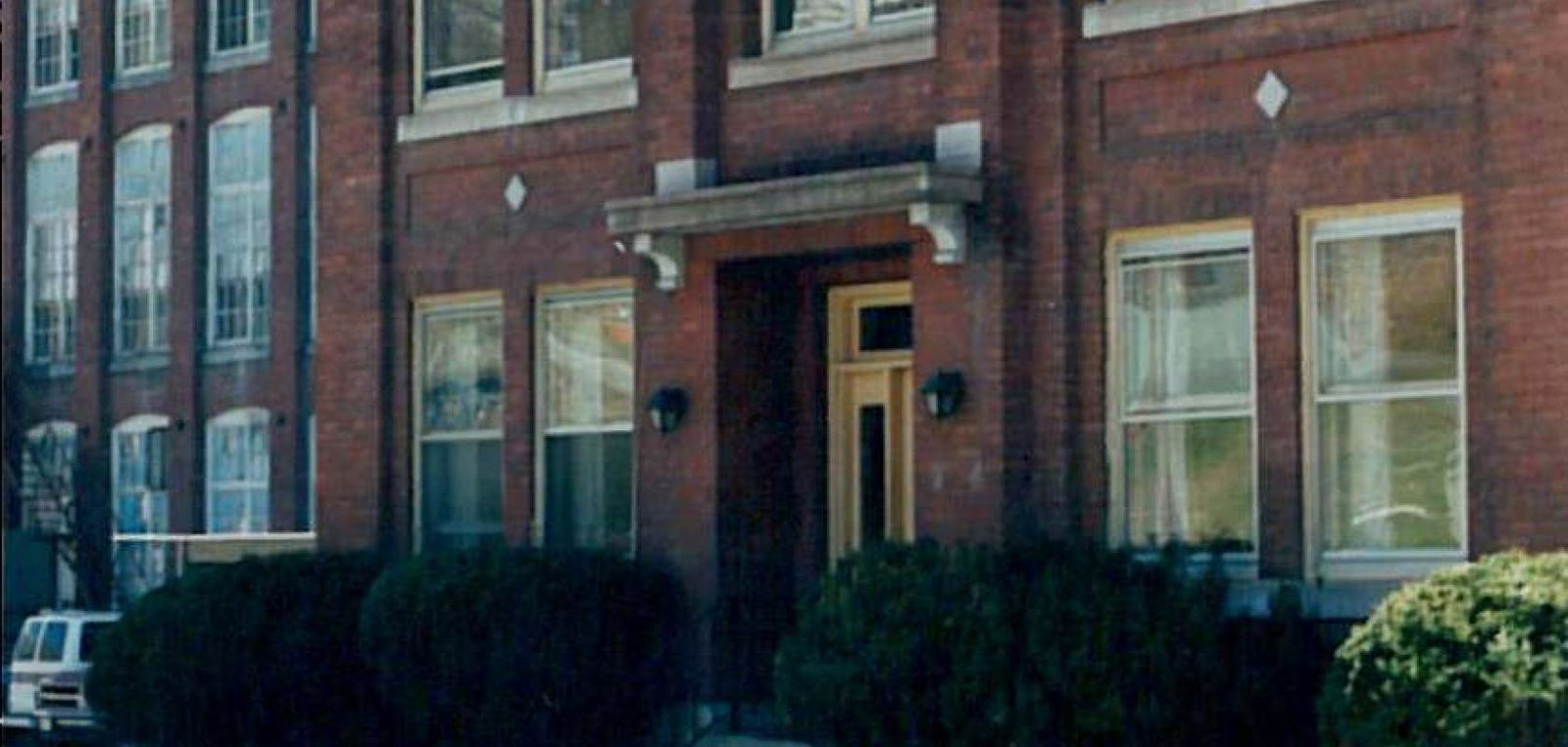
Chroma’s commitment to people-first service goes back to the company’s earliest days. In the early 2000s, when Chroma was a 35-person company still operating out of an old cotton mill, sales and applications worked side by side in a single office. There was no automated phone tree and no chatbot standing between customers and the people who could actually help them. Everybody, including the founders, would answer the phones. Paul Millman, a founder, lived to answer the phone from day 1 until his retirement six years ago, and that mentality remains today.
Getting a real human on the line, rather than routing people through automated systems, was simply how things were done from the very start. That instinct shaped the team for the next two and a half decades, even as the company grew and customer service became its own dedicated department staffed with technical experts. Long before some of today’s team members ever set foot in the building, Chroma had already built a reputation for award-winning customer service, one centered on putting the customer first and helping advance the science behind what customers were trying to accomplish, rather than chasing the bottom line.
Where we stand today
Today, Chroma’s customer service team has grown into a small but mighty group of technical experts who answer the same main line that has always connected customers directly to real people. The job has become far more complex than just picking up the phone. It now includes everything from pricing and availability to export compliance, payment troubleshooting, and working through technical specifications with the engineering team. What hasn’t changed is the philosophy behind it.

Mavis Ellingwood, a valued Customer Service Representative since 2010 (pictured above), explains, “We sincerely care about the customer. We see them as people, not as a number, not as a payout... It’s not just a job. It’s far more than that to me.” That care is backed by real flexibility. The team is empowered to make judgment calls to genuinely solve customer problems – all without jumping through layers of approval.
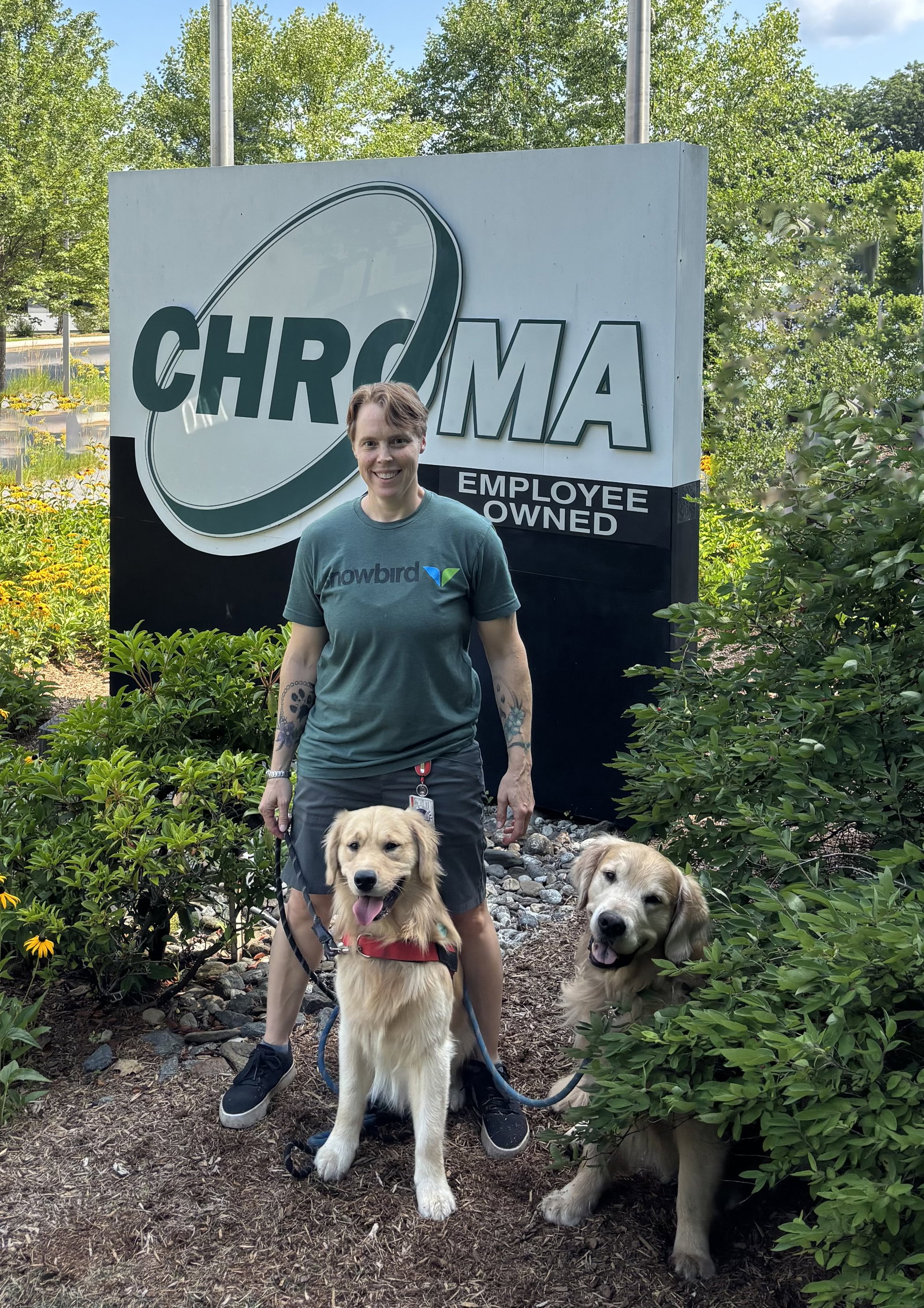
Sarah McClellan, a valued Customer Service Representative since 2000 and Team Lead since 2022 (pictured below), describes that freedom as a defining part of the job: “We have a lot of flexibility as to how we go about doing things,” she says, and that autonomy makes both the team and the customers happier, which in turn makes for better service and leaves customers feeling heard. It’s this combination of technical expertise and genuine autonomy that customers notice, and that breeds customer loyalty based on the value chroma provides. Our Net Promoter Score isn't world-class by accident.
Where we’re headed
Looking ahead, Chroma’s customer service team isn’t interested in chasing the industry trend toward full automation, but that doesn’t mean standing still. The team plans to keep evolving alongside new tools and technology, just as it always has, so that even more time can be spent with customers and less time on repetitive behind-the-scenes work. Mavis envisions a future where the team plays an even bigger role in feeding customer insights back into the rest of the organisation, helping marketing, sales, and engineering understand what customers are actually trying to accomplish. “What I would like to see is that it does become more of being recognised for what it really is,” she says, “being more involved in the growth” of the company itself. Sarah is just as enthusiastic about future innovations but is firm about what should never change: “I would actually really like to say that our high priorities aren’t going to change,” she says. “We’re always going to be trying to have a human answer a phone when somebody calls.” As she puts it, while the rest of the world moves toward automation, “people actually appreciate a human being,” and that’s exactly what Chroma intends to keep providing.
The bottom line
From a phone line answered by anyone who could grab it first to a team of dedicated technical experts, Chroma’s customer service has changed in scale and complexity, but never in priorities. Putting the customer first, making sure a real person answers the phone, and giving our team the autonomy to solve problems their own way are not things we plan to change, no matter how the rest of the industry evolves. As automation reshapes the rest of the industry, Chroma is doubling down on the one thing that technology still can’t replicate: a real person who genuinely cares about solving your problem. For us, Customer Service isn't a job description; it is a way of life.
References:
CM.com. (n.d.). Customer service via phone? 6 reasons to offer phone support. Retrieved June 30, 2026, from https://www.cm.com/en-ae/blog/why-phone-support-is-essential/
Gartner, Inc. (2024, February 1). Benchmarks to assess your customer service costs. Gartner. https://www.gartner.com/en/documents/5164231
Gartner, Inc. (2024, August 19). Gartner survey finds only 14% of customer service issues are fully resolved in self-service. Gartner Newsroom. https://www.gartner.com/en/newsroom/press-releases/2024-08-19-gartner-s…