With more than 5,000 attendees and 150+ exhibitors expected next April, Microelectronics US aims to address critical gaps in collaboration across photonics, semiconductors and embedded systems.
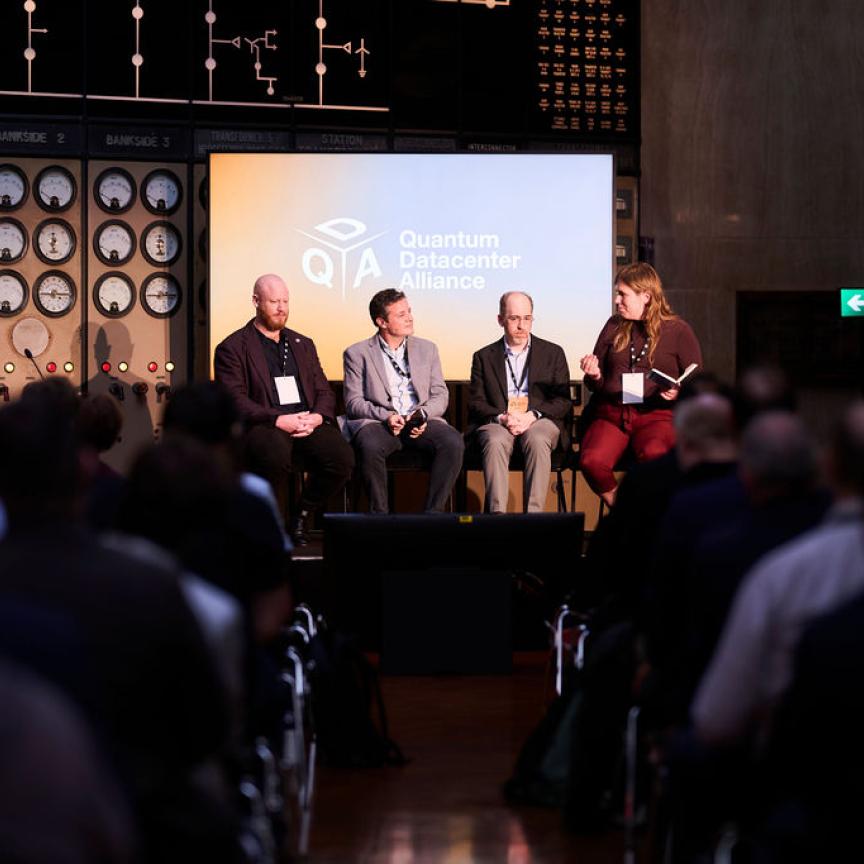
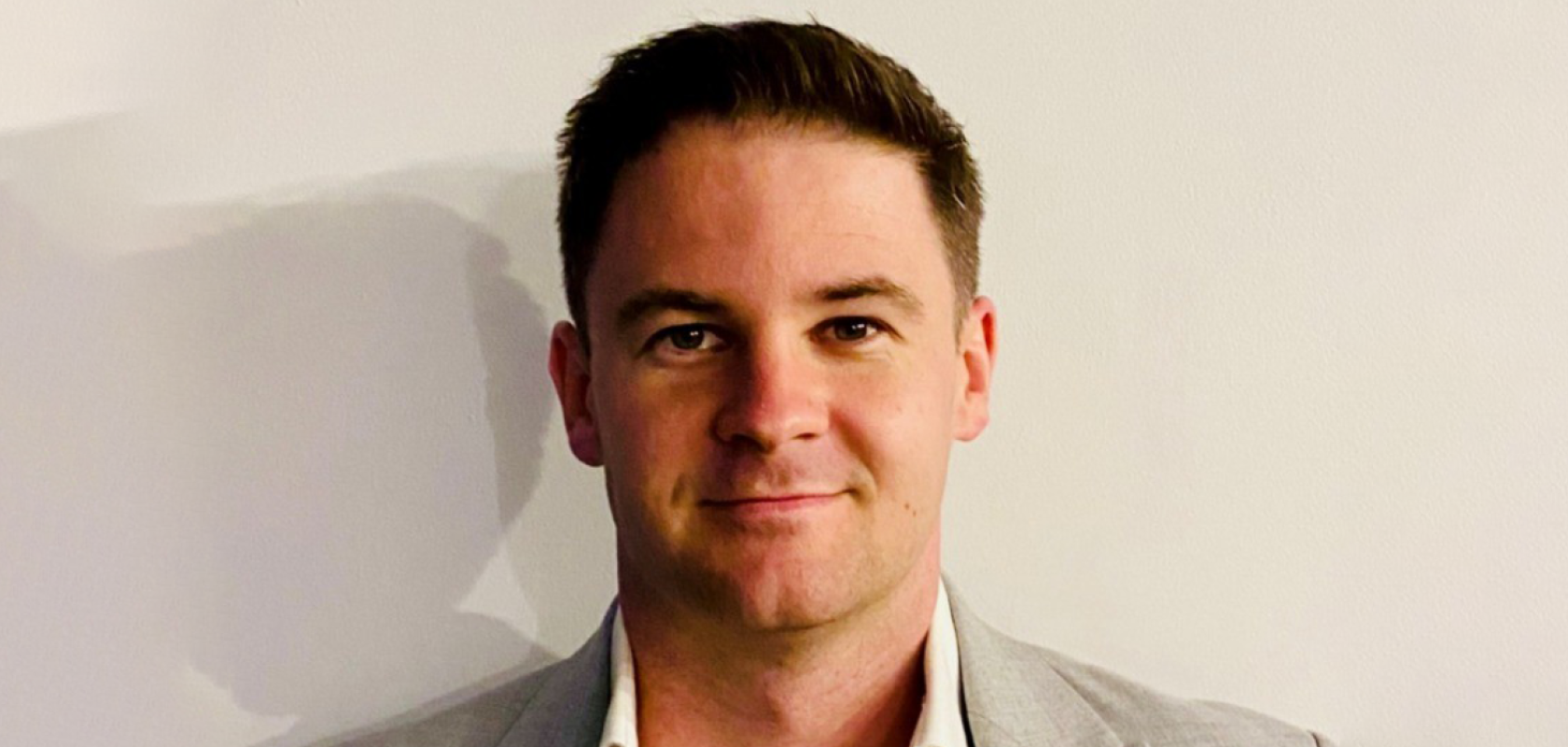
The American event, which will take place on 22-23 April, 2026, at the Palmer Events Center in Austin, Texas, follows a successful Microelectronics UK show, held in September at London’s Excel. We spoke to event director Luke Page, who explains how the new show will move beyond exploration to drive execution in advanced manufacturing, supply chain resilience, and workforce development under the CHIPS Act.
You're bringing photonics, semiconductors and embedded systems together under one roof. What's the strategic importance of this convergence in a US context, and what gaps in collaboration are you seeing that this event aims to bridge?
The reality is that these technologies don’t operate individually. Advanced systems, whether in aerospace, automotive, quantum, or AI, depend on seamless integration between photonics, semiconductors, and embedded systems. In the US, there’s incredible innovation happening in each domain, but collaboration often stalls at the interface. With innovation happening in each area, there needs to be collaboration across them because the next step in the value chain is determined by the last. For example, embedded systems engineers need an understanding of photonics and semiconductor advancements to fully leverage innovation.
Our event is designed to close that gap by creating a single platform where design engineers, system architects, and supply chain leaders can align on practical integration challenges and opportunities. It’s about accelerating execution, not just exploration. Having three events alongside each other also makes this an attractive proposition for multiple team members from each visitor company. When teams attend together, it drives internal collaboration as well as external partnerships. At our recent UK event, one manufacturer brought 12 decision-makers because there was so much to see and learn across the ecosystems. That kind of group attendance promotes collaboration internally and enables wider collaboration across the value chain, something that traditionally doesn’t happen at single-focus events.
You describe this as a "strategic marketplace" aimed at supporting execution more than exploration. What concrete outcomes do you expect to emerge? How is the event structured to facilitate actual deals versus conversations?
We’re focused on outcomes that move projects forward; supplier agreements, technology partnerships, and investment discussions. To make that happen, the event combines curated networking with targeted content. For example, we have closed-door roundtables for OEMs and suppliers, matchmaking tools for scheduling meetings, and sessions that tackle procurement and integration head-on. While the event will absolutely enable exploration in the traditional sense of a trade show, the content will be highly focused on execution. We’ll also host an exhibitor networking event on the evening of Day 1, facilitate roundtables and 1-to-1 meetings onsite (supported by our dedicated meeting app), and ensure each event under the Microelectronics portfolio has its own focus and community. This structure allows for both exploration and execution; attendees can discover new technologies and leave with concrete next steps.
Where do you see the biggest gaps between ambition and execution right now, and how will this event address the practical challenges that companies face?
The ambition is clear, but execution is complex. Workforce development, supply chain resilience, and access to advanced equipment remain the biggest hurdles. We also see gaps in areas like skilled labour, domestic material sourcing, and integration between design and manufacturing. At the same time, there are huge opportunities, particularly in advanced packaging, photonics integration, and AI-driven manufacturing processes.
Our event addresses these challenges by bringing together not just technology providers, but also training institutions, material suppliers, and system integrators. In addition, we’ll include service providers that support the wider ecosystem, such as risk management software, business services, finance and investment, recruitment, and marketing services, because these functions are critical for scaling operations and building sustainable supply chains. The goal is to create a forum where every part of the value chain can connect, identify solutions, and move from ambition to execution under the CHIPS Act and beyond.
What lessons did you learn from Microelectronics UK that you will apply in the US? What will be different?
One of the biggest strengths of Microelectronics UK was bringing three ecosystems (photonics, semiconductors, and embedded systems) together under one roof while still giving each event its own dedicated campaign and identity. That balance worked incredibly well because it allowed us to showcase convergence without losing focus.
We also learned that content is king. High-quality seminars and panels, combined with strong exhibitor representation, were key drivers of engagement. End-user-focused content was particularly powerful for attracting the right audience, people who are making real decisions about technology adoption.
Another lesson was the importance of collaboration. The event was successful because the industry wanted it to succeed, and we worked closely with associations, media partners, and individual experts to make that happen. We’re experts at organising events, but the event is always stronger when we partner with those who live and breathe the technology every day.
Looking at photonics in particular, Photonics West is probably the biggest event in the US calendar. Do you see Microelectronics US complementing or competing with such established events? What distinct value or focus are you offering to the photonics community that might draw attendees to Austin rather than San Francisco?
Photonics West is a fantastic event. Microelectronics US complements that by focusing on system integration and execution, how photonics interacts with semiconductors, embedded systems, and advanced packaging in real-world applications. We don’t see this as competition, but as co-existing. With the huge amount of innovation happening in the US, there’s room, and need, for multiple events that help drive the industry forward. Our distinct value is bringing three ecosystems into one venue and building programs around end-user-driven content. That combination creates a strategic marketplace where technology providers, OEMs, and integrators can align on practical challenges and opportunities for adoption.
Luke Page is a Group Event Director at IQPC Exhibitions.
Registration is now open. For more information, go microelectronicsus.com.